Qui sommes nous ?
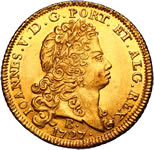
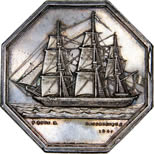
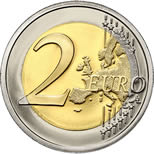
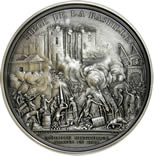
Implantée à Paris depuis 1988, CGB Numismatique est devenue la plus importante société numismatique de France. Elle propose à la vente plus de 100 000 monnaies, billets et livres numismatiques sur son site internet :
www.cgb.fr
Forte de son expérience de vente en ligne, CGB Numismatique a développé son propre système d'« e-auctions ».
Toutes les semaines, plus de 1000 monnaies et billets sont mis en vente au prix de départ de 1 € sans prix de réserve. Des centaines de collectionneurs du monde entier participent à ces ventes, ce qui permet de définir précisément et en toute transparence le prix du marché de chaque monnaie ou billet.
Parallèlement, CGB Numismatique organise, tout au long de l'année, des ventes de prestige mettant ainsi la numismatique au devant de la scène des objets d'art.
Soucieuse de préserver l'accès gratuit à l'information, CGB Numismatique conserve sur son site toutes ses archives de vente, soit plus de 500 000 monnaies et billets.
Précurseur de la numismatique sur internet, le site Cgb.fr est désormais accessible en 7 langues : français, anglais, italien, allemand, espagnol, russe et chinois.
CGB Numismatique détient également une maison d'édition et un journal numismatique numérique gratuit qui lui permettent de publier régulièrement les informations et les découvertes liées à la numismatique.
Au fil des années, CGB Numismatique a su mériter la confiance des collectionneurs en garantissant l'authenticité sans condition de l'ensemble des monnaies et billets à la vente.
Les spécialistes de l’équipe CGB viennent régulièrement à la rencontre des collectionneurs lors des salons numismatiques internationaux (Londres, Paris, Berlin, Moscou, Munich, Prague, Hong-Kong, Singapour, Tokyo, Pékin, New-York, Chicago, Valkenburg...)
Nos spécialistes sont à votre écoute pour construire, compléter ou améliorer votre collection.
Vous pouvez aussi nous confier vos monnaies et billets à la vente.
Nous vous conseillerons pour estimer au mieux leur valeur et nous leur ferons bénéficier de l'exposition internationale de notre société.
En combinant la tradition et les dernières innovations technologiques, l'équipe Cgb.fr met tout en œuvre pour que les collectionneurs puissent vivre pleinement leur passion pour la numismatique.